September 23, 2026
Pest control and rodent proofing address related problems, but they are not the same service. Pest control generally focuses on managing pests that are already present, while a rodent proofing service focuses on identifying and securing the openings rodents may use to enter a building. Understanding this distinction can help homeowners choose an appropriate response when they notice scratching sounds, droppings, damaged materials, or other signs of rodent activity.
Rodents can create expensive problems when they gain access to homes. According to Science Advances, rats are responsible for approximately $27 billion in damage each year in America. Because removing existing rodents does not necessarily prevent others from entering later, long-term protection often requires attention to both current activity and potential entry points. Knowing how these services differ makes it easier to understand why they may play complementary roles.
Understanding the Different Service Goals
Managing Existing Pest Activity
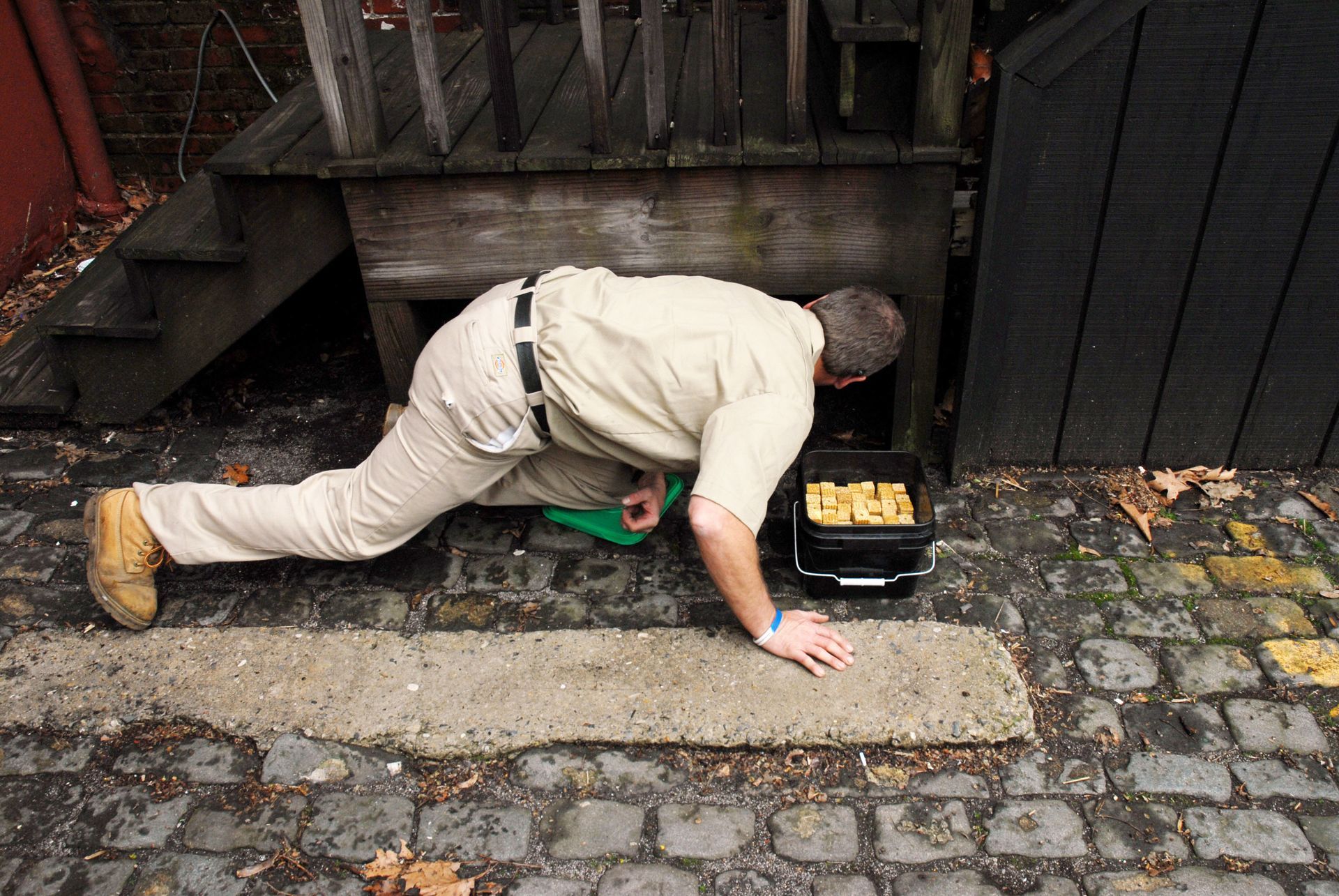
Pest control typically addresses an active problem. Depending on the pest involved, professionals may evaluate the infestation, determine its extent, and use appropriate methods to control the population. The immediate objective is to reduce or eliminate pests already affecting the property.
Preventing Future Rodent Entry
Rodent proofing takes a more preventive approach. A professional rodent proofing service examines areas where rats or mice may enter and addresses vulnerable openings. The goal is to make the building less accessible after the existing activity has been addressed.
Recognizing the Different Outcomes
Successful pest control may remove an immediate problem without changing the structural conditions that allowed rodents inside. Proofing focuses on those conditions, helping reduce opportunities for recurring entry rather than concentrating exclusively on animals currently present.
Combining Complementary Services
Some properties can benefit from both approaches. Active rodents may require control measures, while vulnerable openings may require professional exclusion work. Addressing both sides of the problem creates a more complete strategy than relying exclusively on one approach.
Identifying the Different Areas of Focus
Looking for Active Infestations
Pest control assessments often focus on evidence that animals or insects are currently present. Droppings, nesting materials, gnaw marks, sounds, odors, and sightings can provide information about the type and extent of activity requiring attention.
Looking for Structural Openings
A rodent proofing service concentrates heavily on the building itself. Professionals can evaluate potential access areas around exterior walls, rooflines, utility penetrations, vents, foundations, and other locations where gaps may provide rodents with a route indoors.
Evaluating Vulnerable Building Areas
Attics, crawl spaces, garages, and utility areas can be particularly important during an evaluation. These spaces may contain openings that are difficult for homeowners to notice but useful to rodents seeking shelter from weather and predators.
Considering the Entire Property
A complete assessment considers how rodents could move from outside areas into interior spaces. Looking beyond the location where activity was first noticed can reveal conditions elsewhere that contribute to recurring problems.
Addressing the Different Causes of Recurrence
Removing Current Rodents
Controlling an existing rodent population addresses an immediate concern, but another rodent may eventually find the same opening. This is why removal alone does not always provide a permanent solution when structural access points remain available.
Closing Potential Entry Points
A rodent proofing service addresses access as a separate part of the problem. Professional exclusion work targets openings that could otherwise allow new rodents to enter after the original infestation has been controlled.
Reducing Repeat Problems
Recurring activity can be frustrating because homeowners may believe the original problem has simply returned. In some cases, new rodents are entering through the same vulnerable areas. Proofing helps address this cycle by concentrating on prevention.
Protecting Previously Affected Spaces
Areas that have already experienced rodent activity deserve careful attention. Professional evaluation can identify whether structural vulnerabilities remain and determine what measures may help make those spaces less accessible in the future.
Protecting the Home in Different Ways
Limiting Immediate Pest Concerns
Pest control can help reduce problems associated with animals already inside a building. Prompt professional attention is important because rodents can contaminate areas, disturb stored materials, and damage parts of a home while nesting or traveling.
Reducing Structural Vulnerability
A rodent proofing service works toward reducing opportunities for entry. Instead of waiting until signs of another infestation appear, exclusion measures address building vulnerabilities that could provide rodents with continued access.
Protecting Attic Areas
Attics can provide secluded shelter and may contain insulation and other materials rodents can disturb. Professional inspection of these spaces can reveal evidence of activity as well as potential access points around the roof and exterior.
Supporting Long-Term Property Care
Rodent prevention fits into broader home maintenance because small exterior vulnerabilities can affect interior conditions. Professional attention to these areas can support a cleaner, more protected home while reducing the likelihood of repeated rodent-related disruption.
Choosing the Appropriate Professional Response
Responding to Active Signs
Visible rodents, fresh droppings, scratching noises, nesting materials, or new gnaw marks can indicate current activity. These signs warrant professional evaluation so the nature and extent of the problem can be properly determined.
Responding to Repeat Infestations
When rodent problems return after previous control efforts, structural access may deserve closer attention. A rodent proofing service can evaluate whether openings around the building are allowing new animals to repeatedly enter protected spaces.
Responding to Building Vulnerabilities
Homeowners may also seek preventive evaluation without an obvious active infestation. Changes to exterior materials, aging components, or previously identified gaps can create concerns about possible access that professionals can assess.
Responding With a Complete Strategy
The appropriate response depends on the property. Some homes primarily need active pest management, others require exclusion work, and some need both. Professional evaluation helps determine which concerns are present rather than treating every rodent problem identically.
Planning for Different Long-Term Results
Thinking Beyond Immediate Removal
Finding and removing rodents may bring immediate relief, but homeowners should also consider why the animals entered. Without addressing that question, the property can remain vulnerable to another infestation after the original problem is resolved.
Prioritizing Ongoing Prevention
A professional rodent proofing service emphasizes prevention by addressing access opportunities. This approach can be particularly valuable for homeowners who have experienced recurring problems or want to protect vulnerable areas before another infestation develops.
Monitoring Changes Over Time
Homes change as materials age, weather affects exterior components, and repairs or renovations alter structures. Periodic professional evaluation can identify new vulnerabilities that were not present when previous exclusion work was completed.
Maintaining a Broader Protection Plan
Long-term rodent management works best when immediate activity and future access are considered separately. Understanding the purpose of each professional service allows homeowners to make decisions based on the actual condition of their property.
Pest control and rodent proofing solve different parts of a rodent problem. Pest control primarily addresses animals that are already present, while proofing focuses on the structural vulnerabilities that can allow future entry. For homes with recurring activity, understanding both sides of the issue can help prevent a temporary solution from becoming an ongoing cycle.
A professional assessment can clarify whether a property has an active infestation, vulnerable entry points, or both. Rather than assuming that removing current rodents automatically prevents future problems, homeowners can pursue a strategy that addresses immediate concerns while also considering long-term protection.
If you are concerned about rodents entering your home, contact Attic Green today. Our team can evaluate vulnerable areas and provide a professional rodent proofing service designed to help reduce future access and protect your home over the long term.